Long-Lasting Deck Solutions: Discover the Finest in Outdoor Living
Durable deck solutions offer an effective method for upgrading outdoor recreational zones. By selecting materials that withstand the elements, residents can accomplish both aesthetics and lasting quality. Various options exist, all offering distinct advantages and visual appeal. Consideration of climate and maintenance needs is essential when making informed selections. While investigating the various choices, the transformation of an outdoor area into a personal retreat becomes increasingly attainable. Find out how to make thoughtful decisions for long-term pleasure.
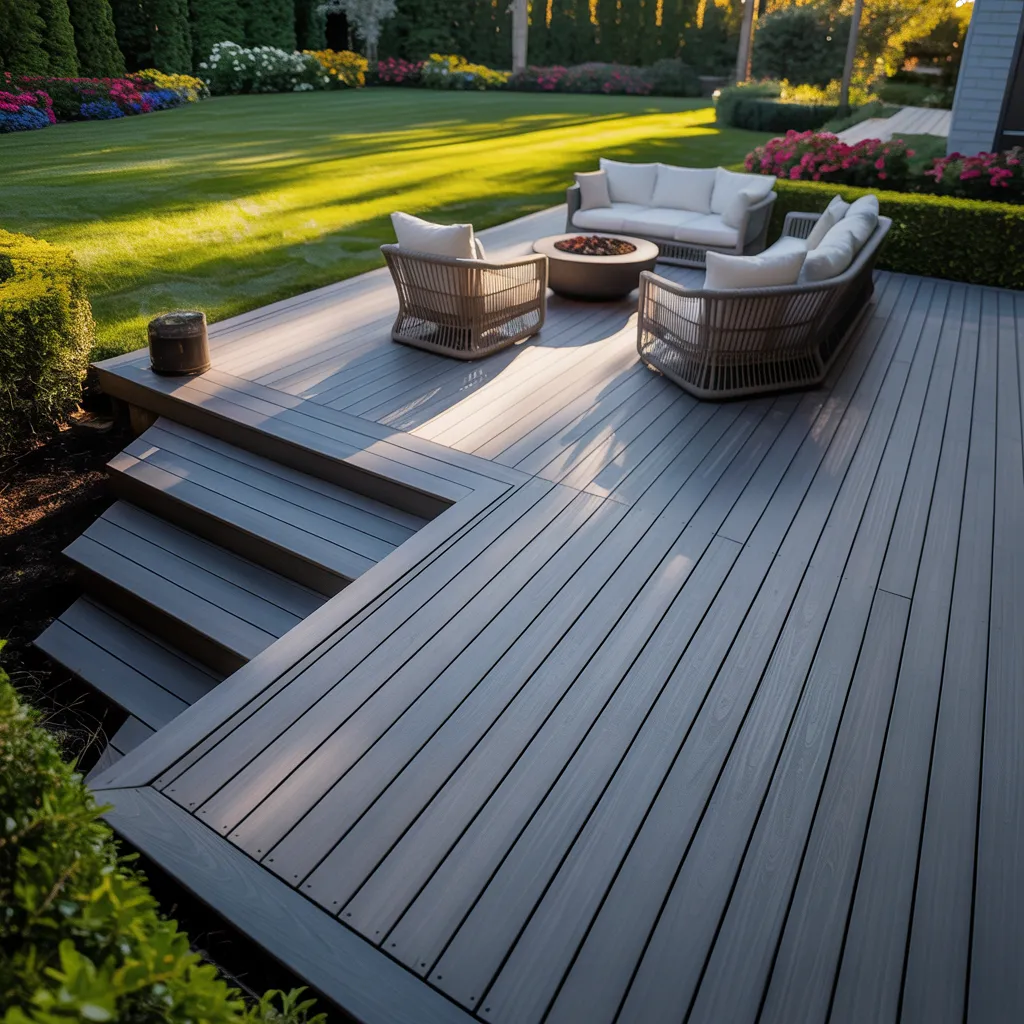
Why Opt for Sturdy Deck Materials for Your Exterior Space?
When evaluating a outdoor living area, the choice of durable deck materials is crucial, as they not only boost curb appeal but also ensure durability. Durable materials, such as PVC, hardwood, and composite decking, resist the elements, decreasing the need for regular repairs or replacements. This resilience guarantees that the exterior living area stays functional and visually appealing over time.
Furthermore, selecting resilient decking options can lead to long-term financial benefits. Residents can sidestep the expenses associated with maintenance, such as treating or waterproofing, that are typically demanded with lower-quality materials. Moreover, the environmental impact of investing in green materials, like ethically harvested hardwood or recycled materials, cannot be overlooked. Such options support a lower environmental impact while offering a beautiful and lasting surface. At the end of the day, selecting durable deck materials benefits not only the enjoyment of outdoor areas but also the total value of a household.
Innovative Ideas to Upgrade Your Outdoor Environment
To elevate outdoor spaces, careful design decisions can have a meaningful effect. Innovative color schemes can change the ambiance, while purposeful furniture layouts guarantee both comfort and usability. Together, these elements can turn any deck into a comfortable haven.
Color Palettes That Inspire
What color choices can genuinely convert an outdoor space into a magical escape? A range of soft natural tones, like sandy beiges and muted greens, can cultivate a tranquil setting that complements the natural surroundings. On the other hand, bold blues and bright yellows can energize the area, providing a striking contrast against verdant foliage. Adding bold, warm shades like deep terracotta or rustic reds can bring depth to the area, creating a comfortable and inviting atmosphere. For a sleek, modern look, opt for monochromatic arrangements using various gray tones, punctuated by striking bursts of color through decorative elements. Ultimately, the right color scheme not only enhances aesthetic appeal but also influences the mood, encouraging relaxation and enjoyment in outdoor living environments.
Strategic Furniture Placements
Developing a carefully planned furniture layout can substantially boost the usability and decorative charm of an outdoor space. To start, grouping seating areas fosters conversation, while blending various seating options like chairs, benches, and loungers accommodates diverse needs. Moreover, placing a dining table near the kitchen or grill provides practicality at mealtimes. Utilizing multi-functional furniture, such as storage ottomans or foldable tables optimizes available space. Adding layered rugs helps delineate distinct zones, contributing dimension and comfort. In addition, incorporating greenery and decorative accents can ease harsh textures and cultivate a more hospitable setting. Ultimately, a thoughtfully designed furniture configuration not only improves usability but also transforms the outdoor area into a stylish extension of the home, encouraging relaxation and enjoyment.
Best Long-Lasting Deck Materials for Durability
When evaluating deck materials, three top choices are recognized for their remarkable strength and lasting quality. To begin, composite decking combines wood fibers and recycled plastic, providing protection against water damage, decay, and insects. This combination not only reduces upkeep but also provides an appealing aesthetic. Next, PVC decking, produced entirely from man-made materials, is unaffected by water and stains, ensuring a long lifespan without the need for painting or sealing. Its rich colors and textures retain their beauty over time. Finally, hardwoods such as Ipe and Teak are celebrated for their outstanding strength and built-in resistance to environmental conditions. These get the full story robust woods are capable of enduring heavy foot traffic and harsh weather conditions, making them an ideal selection for particular homeowners. Overall, each of these materials delivers individual benefits, permitting buyers to decide based on their particular needs and tastes for outdoor spaces and living areas.
Vital Maintenance Tips for Prolonging the Lifespan of Your Deck
Maintaining a deck is vital for securing its durability and visual charm. Consistent cleaning is a critical measure; dirt, debris, and fallen leaves should be cleared away to stop the spread of mold and mildew. Using a gentle soap solution and a soft-bristle brush can help keep the surface pristine without causing damage.
Resealing the deck once every one to three years is critical. This barrier shields the wood from moisture and UV exposure, helping to maintain its strength and appearance. Additionally, inspecting for loose boards, rusted nails, or signs of wear should be routine, allowing for timely repairs before issues escalate.
Homeowners should also refrain from placing large furniture pieces in the same location for long durations, as this can cause indentations. Furthermore, using furniture pads under items can help distribute weight evenly, minimizing pressure on the surface of the deck. By following these maintenance tips, property owners can considerably prolong the durability of their outdoor spaces.
Choosing Decking Based on Your Climate
Choosing the ideal decking material is important, especially since weather conditions can significantly influence its long-term durability. In locations with significant humidity, such as coastal regions, materials like composite decking may be more suitable due to their durability against mold and deterioration. On the other hand, arid regions can cause increased UV exposure, making premium hardwoods like ipe or teak excellent options, as they naturally withstand sun damage.
In regions with colder weather, freeze-thaw cycles can impact decking materials. In these conditions, composite or treated wood materials built to withstand extreme weather can provide longevity. Furthermore, areas prone to heavy rainfall may benefit from slatted decking or elevated structures to ensure adequate drainage.
Ultimately, being aware of local climate conditions can assist homeowners in picking materials that will not only boost visual appeal but also withstand the elements, guaranteeing a practical and stunning outdoor area.
How to Budget for Your Dream Deck
When planning a dream deck, precise budgeting is vital. People should commence by reviewing their financial targets, determining material pricing, and considering labor fees. This organized strategy secures a feasible and manageable deck project.
Examine Your Financial Goals
What is the best way to budget for a dream deck that satisfies both design aspirations and financial constraints? First, it's crucial to define clear financial goals, figuring out how much money can be confidently set aside for the project without disrupting other financial commitments. Establishing a range helps avoid overspending and allows for adjustments as needed. Next, potential financing options should be explored, including savings, loans, or home equity lines, to understand available resources. Furthermore, ranking desired features allows homeowners to distinguish essential elements from optional ones, ensuring that critical components receive funding priority. Regularly reviewing and adjusting the budget throughout the planning phase guarantees alignment with financial goals, ultimately leading to a successful and satisfying outdoor living space.
Calculate Material Costs
Allocating funds for a perfect deck necessitates a careful assessment of material pricing, which is a fundamental requirement in keeping the project aligned with budgetary constraints. Homeowners are encouraged to start by investigating the variety of materials on the market, including wood, composite, and PVC. Each material has varying price points, durability, and maintenance requirements. Calculating the full square footage of the deck is essential to determine the quantity needed. Additionally, considering factors such as railing, stairs, and finishes will affect the final budget. Obtaining estimates from nearby suppliers can offer a more accurate understanding of costs. By gathering all of these assessments, homeowners can efficiently allocate resources for their perfect deck, reconciling their goals with fiscal limitations and steering clear of unanticipated costs during the construction process.
Consider Labor Expenditures
Labor expenditures represent a key element in the total cost of building your perfect deck. Homeowners must evaluate both direct and indirect financial obligations when engaging professional help. Direct charges encompass compensation for qualified tradespeople, while indirect expenses may involve insurance policies, regulatory permits, and equipment fees. It is essential to obtain multiple quotes from contractors to guarantee competitive pricing. Moreover, a thorough understanding of the project's requirements enables homeowners to better estimate both time and labor costs. Choosing a do-it-yourself approach may lower costs, though it demands an honest evaluation of personal abilities and available time. Ultimately, factoring in labor expenses effectively will help homeowners create a realistic budget, ensuring that their ideal deck remains aesthetically pleasing and economically viable.
Reinventing Your Backyard: Real-Life Deck Overhauls
Many homeowners have discovered the transformative power of deck makeovers, converting everyday backyards into breathtaking outdoor sanctuaries. Most of these undertakings commence with a clear vision, whether it's designing a tranquil area for rest or an energetic space for hosting gatherings. Inspiring examples highlight a variety of aesthetics, from modern composite materials to rustic wood finishes, each tailored to the homeowner's aesthetic.
One notable transformation involved a modest, worn-out deck that was extended and transformed with various levels, featuring built-in seating and ambient lighting. Another project featured a full renovation, swapping aged timber for long-lasting, easy-care materials, enhancing both functionality and appearance.
Landscaping equally serves a vital function, with strategic plant placements and lighting enhancing the overall ambiance. With a dedication to intentional design and superior materials, homeowners are not just upgrading their decks; they are creating personalized outdoor sanctuaries that reflect their lifestyles and preferences, elevating the entire backyard experience.

Frequently Asked Questions
How Do Various Decking Materials Impact the Environment?
Different decking materials have distinct environmental consequences. Natural wood plays a role in deforestation, while composite decking often contain recycled plastics, decreasing landfill waste. Furthermore, concrete presents a high carbon footprint, impacting overall sustainability in outdoor living spaces.
How Can I Enhance Safety on My Deck?
To boost safety on a deck, homeowners should apply non-slip surfaces, include sturdy railings, secure proper lighting, routinely check for structural integrity, and keep the area clear of debris to reduce the risk of accidents and injuries.
Are Financing Options Available for Decking Projects?
A number of decking providers present financing options, including monthly payment arrangements or arrangements with financial partners. These options can allow property owners handle expenses efficiently, allowing them to invest in quality materials and experienced installation for their outdoor deck projects.
What Permits Are Needed for Deck Construction?
Building a deck generally necessitates building permits, zoning approvals, and sometimes environmental assessments. Local regulations vary, so it is important for property owners to contact their local government to ensure adherence to all applicable legal requirements before proceeding with the project.
How Do I Find the Right Contractor for My Deck Project?
To identify the right contractor for a deck, individuals should review credentials, check testimonials, evaluate estimates, verify insurance, and gauge communication abilities. Confirming alignment with the project goals is essential for a productive partnership.